After buying a business, one of the most important decisions a new owner will face is whether to keep existing systems or upgrade them. Many Australian businesses operate on outdated or fragmented systems that used-to be suitable for a smaller operation or an owner operator model. But when it comes to automating systems for scalable growth or professional management, a new enterprise system is required.
Upgrading CRM, ERP, and accounting systems can significantly improve data visibility, operational efficiency, and the quality of decision making. However, rushing system changes without proper assessment can disrupt staff and customers. Buyers should approach system upgrades strategically and methodically.
CRM, ERP, and accounting platforms each serve a different purpose, but together they form the backbone of modern business operations. Understanding what each system does and how they interact helps buyers identify gaps and opportunities.
The goal is not to over engineer the business, but to implement systems that support accurate reporting, reduce manual work, and enable sustainable growth.
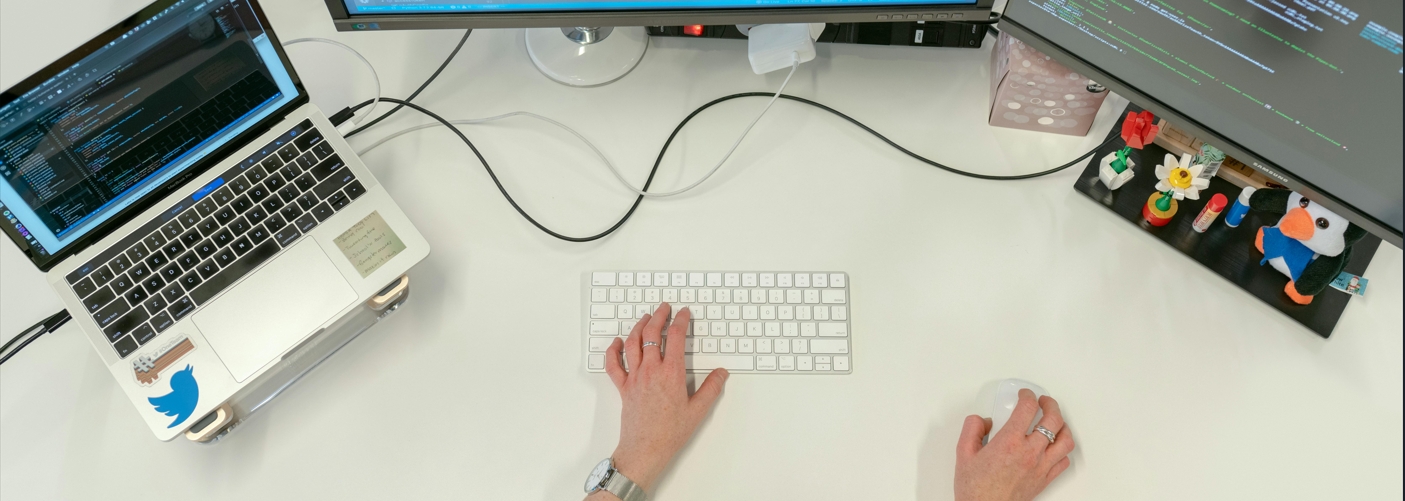
Legacy systems often rely heavily on the previous owner and lack documentation or structure. They may not integrate with modern platforms or provide meaningful reporting.
These limitations reduce visibility, increase risk, and make it harder for new owners to understand how the business is truly performing.
Read more: Introducing Automation Without Disrupting Your New Team
Buyers should start with a system audit. This involves mapping current processes, identifying manual workarounds, and understanding how data flows through the business. If reports are slow, inaccurate, or difficult to produce, or if staff rely heavily on informal knowledge, these are strong indicators that systems need improvement.
Here's a usefulchecklist:

Immediate upgrades are not always the best approach. Many buyers benefit from first stabilising the business, learning existing workflows, and gaining staff trust.
System upgrades should be planned and phased, with clear objectives and realistic timelines to minimise disruption.
Modern systems provide dashboards and real time reporting that help buyers understand performance across sales, operations, and finance. Better visibility allows owners to identify trends, manage cash flow proactively, and respond quickly to issues before they escalate. In-built artificial Intelligence can help boost performance for analysis.
Even the best systems fail without staff buy in. Buyers should involve key team members early, provide training, and communicate the benefits clearly. Successful system upgrades simplify work rather than complicate it, helping staff feel supported rather than replaced.
System upgrades require investment, but the return often comes through time savings, reduced errors, and improved decision making.
Buyers should prioritise systems that deliver measurable operational or financial benefits rather than adopting technology for its own sake.
Choosing the right CRM, ERP, and accounting systems after buying a business is a critical step in professionalising operations and enabling growth. Legacy systems may have worked for the previous owner, but they often limit transparency and scalability.
Buyers who take a structured and thoughtful approach to system upgrades position themselves for better control, stronger performance, and higher long term business value.